
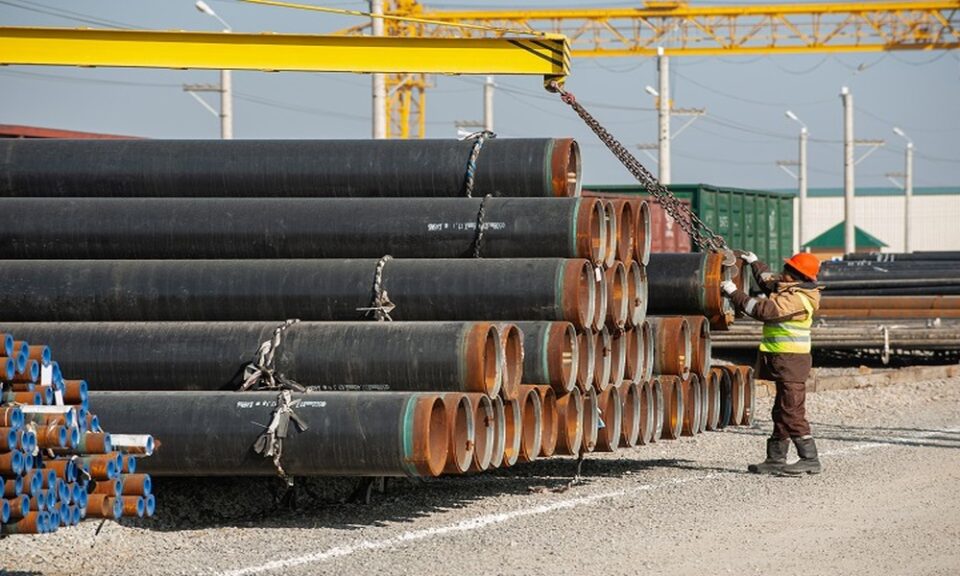
A glut of surplus steel is quietly transforming the way architects, engineers, and contractors approach modern piping infrastructure. While surplus materials can spark cost savings and sustainability wins, they introduce layers of complexity that demand careful navigation.
Understanding the Surplus Steel Challenge in Modern Piping Infrastructure
The Growing Availability of Surplus Steel
Surplus steel has become increasingly available as industries adjust to shifting global supply chains, fluctuating market demands, and evolving regulatory standards. Mills often produce more than the market immediately consumes, leaving manufacturers and distributors with inventory that, while technically unused, may be discontinued, off-spec, or simply surplus to requirements. This steel makes its way into the construction sector, offering a wider choice of materials for projects of all sizes.
Risks of Using Unsuitable or Low-Grade Steel
Tempting as surplus stock can be, not all surplus steel is created equal. The wrong grade or improperly certified material can undermine the reliability of a project. Structural weaknesses, incompatibility with existing systems, or hidden defects may only become apparent after installation, leading to costly failures or repairs. In high-stress applications like piling, micro-piling, or foundational work, the importance of material integrity cannot be overstated.
Economic and Environmental Implications of Surplus Steel Excess
On the flip side, surplus steel represents an opportunity to reduce costs and curb waste. Rather than letting valuable resources languish in storage or be scrapped, surplus products can give projects a sustainable edge. The use of existing materials cuts down on the energy needed for new steel production and diverts usable inventory from landfills.
How Surplus Steel Affects Piping Projects
Structural Integrity Concerns with Surplus Steel Pipes
Pipes made from surplus steel may vary in thickness, strength, or chemical composition. This variability can spell trouble for applications where even small deviations can lead to leaks or structural compromise. When deploying surplus pipes in drainage, foundation, or load-bearing scenarios, rigorous inspection and validation are non-negotiable.
Compatibility Issues: Sizes, Grades, and Specifications
Matching the exact size, grade, and specification needed for a project can be more challenging when relying on surplus supplies. Installers may contend with a greater range of tolerances, requiring careful selection and sometimes custom adjustments to ensure seamless integration with new or existing systems.
Impact on Drainage, Foundation, and Other Critical Applications
Drainage networks, piling, and foundations depend on precise engineering. The right pipe needs to fit perfectly and hold up under both short-term and long-term stress. Using surplus that meets the required standards can offer major benefits, but making the wrong choice risks the stability and lifespan of the entire project.
Exploring Effective Solutions for Surplus Steel Utilization
Sourcing High-Quality Surplus Steel: What to Look For
Professionals recommend working with suppliers who offer full transparency on product history, certification, and testing. This ensures that surplus steel pipes, even if not freshly minted, will meet or exceed the project’s demands.
The Role of Specialized Distributors in Quality Assurance
Specialist distributors bridge the gap between surplus inventory and safe, effective application. Companies like tuyau de battage Stealth Pipe and Steel provide access to a broad selection of surplus and used steel pipes in various grades and sizes, with a focus on quality control and reliable sourcing.
Customization and Preparation Services: Cutting, Welding, Coating, and More
The right distributor does more than just sell pipe. Services such as custom cutting, welding, beveling, coating, and threading can make surplus steel ready to meet precise project requirements, reducing time and risk for contractors.
Leveraging Surplus Steel to Optimize Project Costs and Efficiency
Benefits of Purchasing Surplus Steel from Trusted Suppliers
When surplus steel is sourced from a reputable distributor, buyers benefit from significant cost reductions and improved sustainability. Reliable supply chains and thorough material vetting help projects stay on schedule and under budget.
Case Studies: Successful Use of Surplus Steel in Piling and Drainage
Surplus piling pipe has been used with great success in a range of applications, from supporting high-rise foundations to large-scale municipal drainage projects. These success stories highlight the importance of supplier expertise and material validation.
Balancing Cost Savings with Safety and Compliance
The allure of savings should never outweigh the need for safety. Responsible procurement places quality and compliance at the center, ensuring the long-term integrity of infrastructure.
Practical Steps for Procuring and Managing Surplus Steel for Piping
– Accurately assess the types, sizes, and grades required for your project.
– Vet potential suppliers for their track record, transparency, and ability to provide appropriate certifications.
– Integrate surplus materials thoughtfully into your supply chain, allowing for necessary adjustments or custom processing.
Maintaining Long-Term Performance of Surplus Steel Infrastructure
Routine inspection and maintenance are vital. Monitoring for corrosion, wear, or signs of fatigue ensures the continued safety and performance of the system. Upgrading or replacing components at the first sign of compromise prevents failures before they escalate.
Opportunities and Future Trends in Surplus Steel Usage
Innovations in recycling and repurposing steel are opening new avenues for surplus utilization. As regulations around construction materials tighten and environmental considerations grow, demand for surplus steel is likely to increase. Suppliers who can meet evolving standards while providing quality assurance stand to become key players in the market.
Taking Action: How to Get Started with Surplus Steel for Your Piping Projects
Connect with reputable suppliers for expert consultation and product selection. Plan logistics and material handling early to streamline installation. Above all, maintain rigorous standards for compliance and quality control at every stage, from procurement through long-term maintenance, to ensure your piping infrastructure stands the test of time.
