
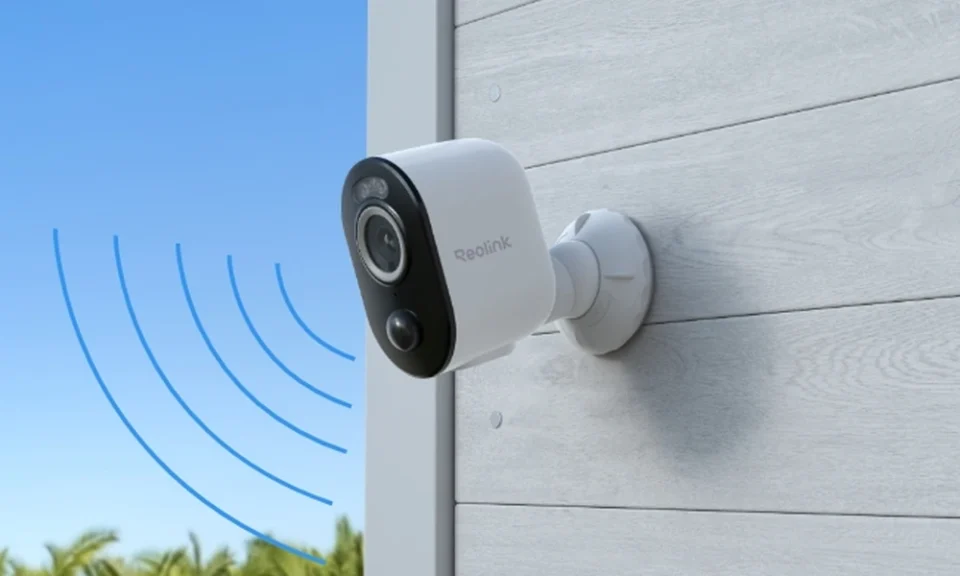
Motion sensors detect movement, but context remains missing. Pace Protections adds visual verification, helping security teams confirm what triggered an alert. Cameras can distinguish people, animals, vehicles, and environmental activity. That extra evidence supports faster decisions, reduces unnecessary responses, and gives monitoring staff clearer information when an event requires attention.
Motion Detection Starts The Alert
Motion sensing remains useful for initial detection. Yet movement alone cannot explain an event. A branch swaying near a fence can trigger activity. So can an animal crossing a monitored area. Visual confirmation gives operators the missing context.
- Sensors identify movement across protected zones.
- Cameras reveal what caused activity.
- Operators gain evidence before responding.
- Recorded footage supports later incident review.
Why Does Context Matter?
False alerts consume attention and resources. Repeated notifications can also weaken confidence in monitoring systems. Visual verification adds a second layer before action occurs. An operator can assess whether movement represents a genuine security concern or harmless environmental activity.
For commercial sites, this distinction matters. A loading area, for example, may stay active after business hours. Video evidence helps separate authorized activity from unexpected entry.
Visual Verification Supports Faster Decisions
Modern monitoring can pair detection with immediate footage. That connection reduces guesswork during an alert. Pace Protections can provide an additional visual layer for evaluating activity around protected locations.
Useful verification can show:
- A person approaching restricted access points.
- A vehicle entering a monitored perimeter.
- Wildlife crossing an exposed boundary.
- Environmental movement triggering equipment.
Clear footage also improves communication. Security personnel can describe an event with greater precision.
Can Cameras Reduce Alert Fatigue?
Alert fatigue develops when notifications lack useful context. Constant low-value alerts can make critical events harder to recognize. Visual verification changes the information available at that moment. Instead of responding to movement alone, staff can assess visible activity first.
Consider a warehouse after closing. A motion sensor detects movement near a loading door. Camera footage shows a delivery vehicle outside the marked zone. The alert still matters, but the response becomes more informed.
Layered Security Creates Better Evidence
Security technology works best when each component adds distinct information. Motion sensors provide an initial signal. Visual verification supplies context. Human review then determines the appropriate response.
That sequence creates a more useful security record. Footage can clarify timing, movement, and visible circumstances. Over time, those records can reveal recurring triggers and support smarter adjustments. The result is not simply more alerts, but better-informed decisions.
FAQs
What does visual verification add?
It provides footage showing what caused a detected event. That context helps staff judge the appropriate response.
Can motion sensors still remain useful?
Yes, motion detection provides an efficient first alert. Visual footage then adds evidence before action.
Where can visual verification help most?
Entry points and outdoor perimeters benefit from added context. Busy loading areas can also require stronger verification.
Does video eliminate false alarms completely?
No system removes every unnecessary alert. Visual confirmation can make those alerts easier to assess.
Clear Footage Changes The Response
A motion alert provides a signal, not an explanation. Visual verification turns that signal into usable evidence. When footage shows a vehicle beside a loading door, the next decision becomes clearer. The real advantage lies in that extra moment of certainty before security resources move.
