
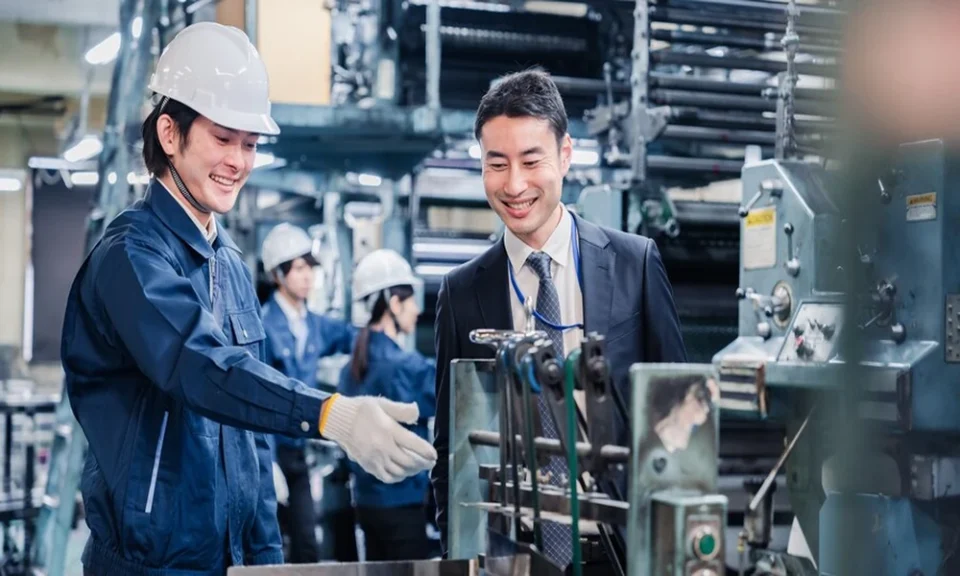
Every manufacturing unit depends on workers who can perform their tasks safely, efficiently and consistently. However, finding the right people and maintaining adequate staffing across shifts is not always easy. Industrial staffing helps manufacturers address skill shortages and respond to changing workforce requirements.
Better recruitment practices, clear job expectations and regular workforce planning can build a reliable shop-floor team.
Start With Clear Workforce Requirements
Base hiring decisions on the manufacturing unit’s actual workforce needs. By reviewing daily production targets, machine operations and shift requirements, managers can identify the required skills and number of workers. This makes it easier to plan long-term hiring, prepare for seasonal demand and address staffing shortages.
It also prevents factories from hiring too many workers for one department while leaving another short-staffed.
Focus on Skills and Job Readiness
A worker’s experience should match the work they will handle. Machine operators may need experience with specific equipment, while packing teams require accuracy and speed. Simple trade tests, practical interviews and reference checks can help employers assess suitability.
For entry-level roles, willingness to learn and follow instructions can matter just as much as previous factory experience.
Make Onboarding Part of the Process
Hiring the right people is only the beginning. New workers should understand their responsibilities, reporting lines, shift timings and workplace rules before starting.
Manufacturers should make the first few weeks of employment simple and well organised. Workers need clear information about safety rules, machine operations and emergency protocols. Supervisors can explain responsibilities, demonstrate routine activities and answer questions as employees learn their tasks.
Plan for Changing Production Demands
Order volumes can rise during festive seasons, export deadlines or new product launches. At other times, workloads may return to normal. Reliable staffing services can help factories bring in suitable workers for these changes without placing every requirement on the permanent workforce.
The goal is not simply to fill vacancies quickly. It is to maintain the right mix of people and skills as production needs change.
Support Retention and Daily Attendance
Frequent turnover creates training gaps and adds pressure on supervisors. Fair shift planning, clear communication and timely wages can encourage workers to stay. Facilities such as drinking water, rest areas and reliable transport arrangements may also improve the daily work experience.
Managers should track attendance patterns, listen to worker concerns and address recurring problems before they affect output.
Measure Workforce Performance Regularly
Factories can review absenteeism, overtime, training completion, quality errors and time taken to fill vacancies. These measures help reveal where workforce planning is working and where changes are needed. This matters especially when factories run multiple shifts.
A dedicated recruitment partner can also make it easier to coordinate recruitment, worker availability and replacement needs across different shifts.
Conclusion
A reliable shop-floor workforce depends on effective recruitment, proper training and ongoing employee support. Manufacturers that understand their staffing needs, plan for demand changes and respond to worker concerns can reduce disruptions and keep production on track.
By placing suitable workers in the right roles and providing ongoing support, manufacturers can improve workforce reliability and make shift planning more predictable.
