
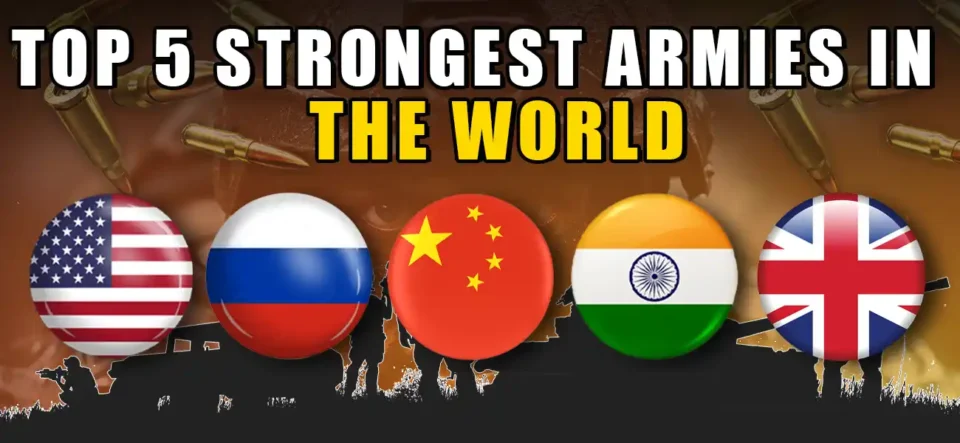
Military size is one of those topics where the headline number tells a fraction of the story. Raw troop count tells you something about a nation’s military capacity—but modern warfare is as much about technology, logistics, naval power, and air superiority as it is about soldiers. When asking who has the largest army in the world, the answer usually points to China in terms of sheer numbers, though global reach involves much more.
China has the largest active-duty military in the world with approximately 2 million active personnel, followed by India (1.45 million), the United States (1.4 million), North Korea (1.28 million), and Russia (1.15 million).
Top 10 Largest Armies by Active Personnel
| Rank | Country | Active Military | Reserve Forces | Total Available |
|---|---|---|---|---|
| 1 | China | ~2,035,000 | ~510,000 | ~2,545,000 |
| 2 | India | ~1,455,000 | ~1,155,000 | ~2,610,000 |
| 3 | USA | ~1,395,000 | ~800,000 | ~2,195,000 |
| 4 | North Korea | ~1,280,000 | ~600,000 | ~1,880,000 |
| 5 | Russia | ~1,150,000 | ~2,000,000 | ~3,150,000 |
| 6 | Pakistan | ~654,000 | ~550,000 | ~1,204,000 |
| 7 | South Korea | ~555,000 | ~3,100,000 | ~3,655,000 |
| 8 | Iran | ~525,000 | ~350,000 | ~875,000 |
| 9 | Vietnam | ~482,000 | ~5,000,000 | ~5,482,000 |
| 10 | Egypt | ~439,000 | ~479,000 | ~918,000 |
Note: Figures are approximate – military data varies by source and year.
Size vs Capability: Why Numbers Don’t Tell the Whole Story
The raw troop count is a starting point, not a conclusion. Military effectiveness depends on:
Defense Budget
| Country | Annual Defense Budget | Per Soldier |
|---|---|---|
| USA | ~$858 billion | ~$615,000 |
| China | ~$225 billion | ~$110,000 |
| Russia | ~$86 billion | ~$75,000 |
| India | ~$75 billion | ~$52,000 |
The US spends nearly four times more on its military than China despite having fewer troops – that gap funds technology, equipment quality, training, and logistics that raw troop numbers can’t capture.
Nuclear Arsenals
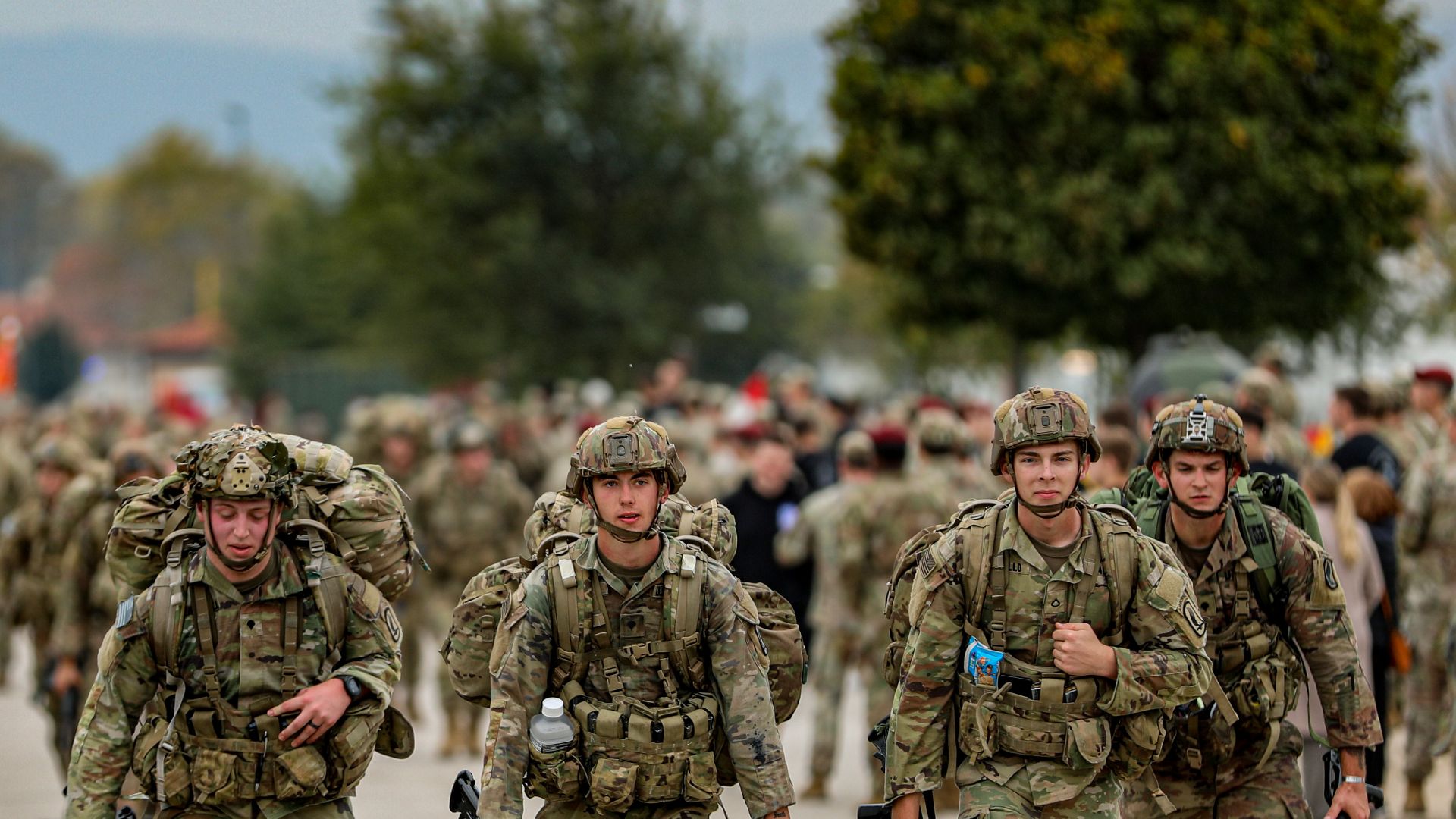
Several of the largest armies belong to nuclear powers:
- Russia: ~5,500 nuclear warheads (largest in the world)
- USA: ~5,400 nuclear warheads
- China: ~350-400 warheads (expanding rapidly)
- India: ~160 warheads
- North Korea: ~40-50 estimated warheads
Naval and Air Power
The US Navy operates 11 aircraft carriers – the rest of the world combined operates about 12 total. Air superiority through 5th generation fighter aircraft (F-35, F-22) represents technological capability that troop numbers don’t capture.
The Quality vs Quantity Debate
The Gulf War demonstrated the gap between force size and effectiveness:
- Iraq had the world’s 4th largest army in 1990 (~1 million troops)
- US-led coalition achieved decisive victory in 100 hours of ground combat
- Technology, training, and doctrine overwhelmed numerical advantage
Russia’s challenges in Ukraine (2022-present) have similarly illustrated how equipment readiness, logistics, and training can underperform relative to raw troop numbers.
Countries With the Largest Potential Force
If you include paramilitaries and reserve forces:
| Country | Total Available Force |
|---|---|
| Vietnam | ~5.4 million |
| South Korea | ~3.7 million |
| Russia | ~3.1 million |
| India | ~2.6 million |
| China | ~2.5 million |
NATO as a Combined Military Power
NATO is worth treating as a single entity for comparison:
- Total NATO active personnel: ~3.2 million
- Total NATO defense spending: ~$1.3 trillion (2023)
- Combined this represents the dominant conventional military alliance in the world
Bottom Line
China has the largest active military with ~2 million personnel, but military capability is determined by far more than headcount. The United States, despite ranking third in troop numbers, maintains an overwhelming technological, logistical, and nuclear advantage that makes raw size comparisons misleading. The most militarily capable nations are those that effectively combine troop quality, equipment, nuclear deterrence, and power projection capability – and on those measures, the US remains without a clear peer.
