

A stock market simulator is a virtual trading platform that mimics real market conditions using fake money. It lets you practice buying and selling stocks, ETFs, options, and other securities in real-time—making every mistake, learning every lesson, and developing your strategy without risking a single dollar. It’s the perfect “sandbox” for beginners to gain confidence before entering the live market.
For anyone new to investing, or anyone testing a new strategy, simulators are genuinely one of the most useful tools available.
Best Stock Market Simulators: Comparison Table
| Platform | Best For | Virtual Cash | Real-Time Data | Cost |
|---|---|---|---|---|
| Investopedia Stock Simulator | Beginners; competitions | $100,000 | Yes (15-min delay) | Free |
| TD Ameritrade paperMoney | Advanced traders | $100,000 | Yes (real-time) | Free (account required) |
| Webull Paper Trading | Mobile traders | Customizable | Yes (real-time) | Free |
| TradeStation Simulated | Options & futures | Customizable | Yes | Free (account required) |
| Wall Street Survivor | Students & beginners | $100,000 | Yes | Free & paid tiers |
| MarketWatch Virtual | Casual learning | $100,000 | Yes | Free |
Investopedia Stock Simulator: The Most Popular Choice
The Investopedia simulator is the most widely used free option – especially among beginners and finance students. It gives you $100,000 in virtual cash and access to real stock prices with a 15-minute delay.
What makes it stand out:
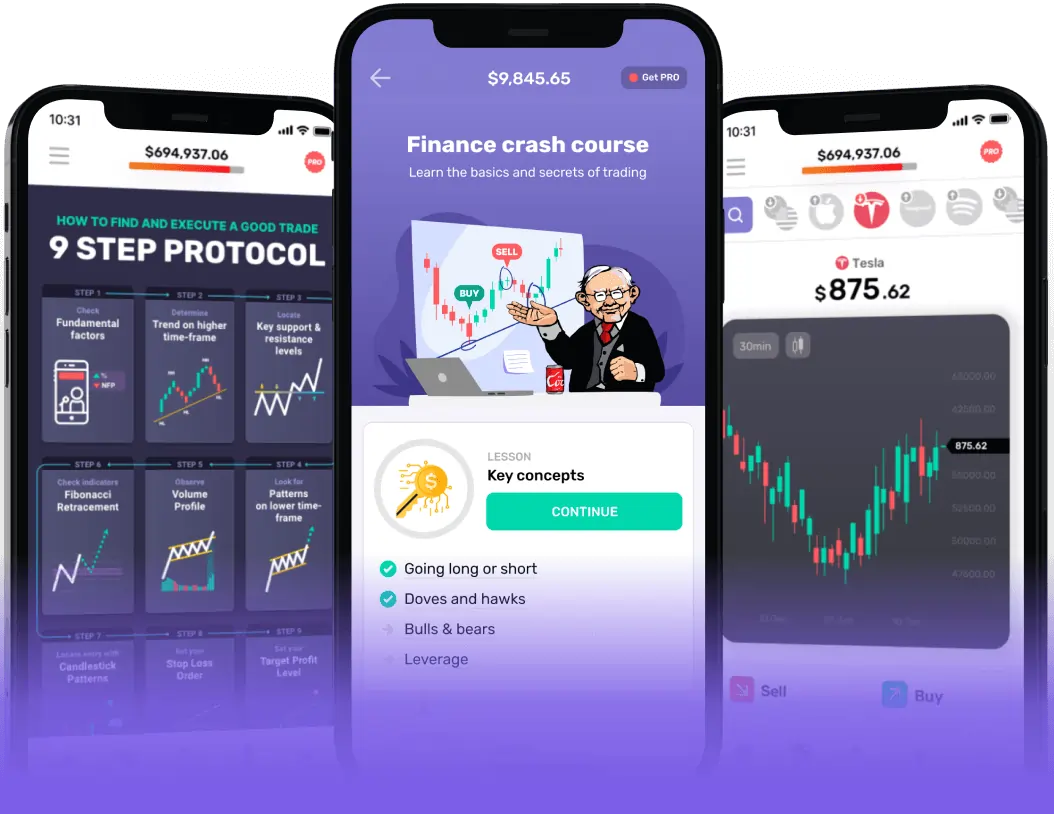
- Built-in educational content alongside the simulator
- You can join or create trading competitions with other users
- Tracks your portfolio performance vs. the S&P 500 benchmark
- Clean interface that mirrors real brokerage platforms
It’s the best starting point for anyone who has never traded before and wants to get familiar with market mechanics.
TD Ameritrade paperMoney: For Serious Practice
TD Ameritrade’s paperMoney platform (now part of Charles Schwab’s thinkorswim) is the most advanced free simulator available. It uses real-time quotes (not delayed), supports stocks, options, futures, and forex, and mirrors the full functionality of a live trading account.
If you’re learning options strategies, technical analysis, or active trading approaches – this is the simulator to use. The learning curve is steeper, but it’s the closest thing to real trading available without actual money on the line.
Who Should Use a Stock Market Simulator?
| User Type | Recommended Platform | Why |
|---|---|---|
| Complete beginner | Investopedia | Simple, educational, no account needed |
| Finance student | Investopedia or Wall Street Survivor | Competitions, curriculum integration |
| Active trader in training | TD Ameritrade paperMoney | Real-time data, full product range |
| Options learner | TD Ameritrade or TradeStation | Options-specific tools |
| Mobile-first user | Webull Paper Trading | Clean mobile app |
What Simulators Can – and Can’t – Teach You
They’re great for:
- Learning how to place orders (market, limit, stop-loss)
- Understanding portfolio diversification in practice
- Testing strategies based on research or technical analysis
- Getting comfortable with market volatility without fear
They can’t replicate:
- The emotional experience of real money on the line – fear, greed, panic selling
- Liquidity constraints on very small or illiquid stocks
- The psychological discipline required in real trading
This emotional gap is real. Many traders perform brilliantly in simulation and then make impulsive decisions once real money is involved. Simulators build knowledge; they don’t fully build the psychological muscle that comes with real risk.
The Bottom Line
Stock market simulators are the smartest first step for anyone entering investing. Use one for at least 3-6 months, track your results, understand why your trades worked or didn’t, and only then consider moving to real money. The best investors treat simulators seriously – not as games, but as practice grounds for real decisions.
